Talisman vs Symbol: Tools for Addiction Recovery
Part 2: The Power in the Possibilities
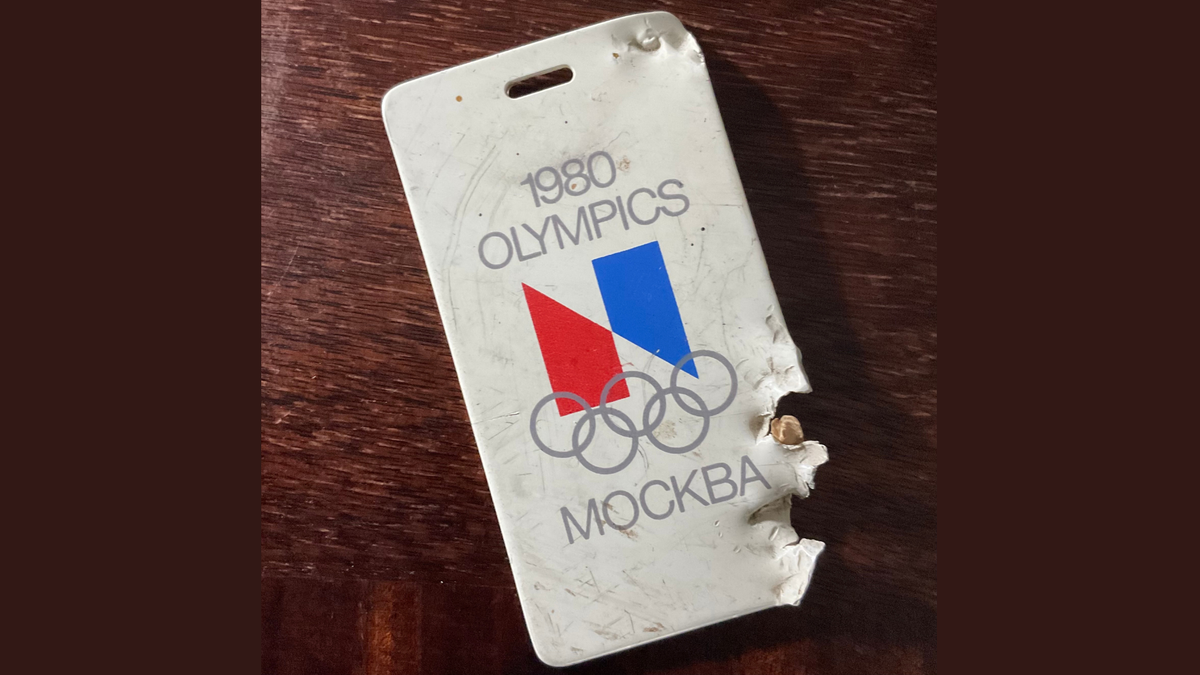
My Talisman: from my roadbag that accompanied me in ‘82 while hitchhiking coast to coast (hounddog-chewed corner from the bed of a rural Florida pickup ride)
In Part 1 of Talisman vs Symbol: The Power in the Pain, we said the primary difference between a talisman and a symbol is that a symbol is a separate item from whatever it represents while the talisman is an actual extension of that item and carries an inherent amount of that item within it. The difference we’re exploring is ones of separation vs connection - and this is a big point when dealing with the issue of addiction.
Also in Part 1, we provided examples of talismans that connected us to the power of our past pain. Here in Part 2, we’re creating talismans that connect us to the possibilities of the future and how we use them to pull ourselves into that manifestation through their help and guidance.
Connecting to the Possibilities
For most people, the power in the pain is much easier to feel and connect with than the future possibilities of prosperity and health. For example, holding the metal emblem from the hood of the totaled car is an easier pain-full connection to make than creating something that pulls us into a future of heart-full possibilities.
For this reason, the talismans of Part 1 are easier to find and create. This means that here in Part 2, we are going to need a little help. Specifically, from the heart - and more specifically from the heart’s longing for what it truly wants. This longing is what connects us to the forces that pull us in the right direction. Unfortunately in recovery, and especially in early recovery when we’re still so close to the past pain, we rarely know, much less feel, what our heart’s true longing is.
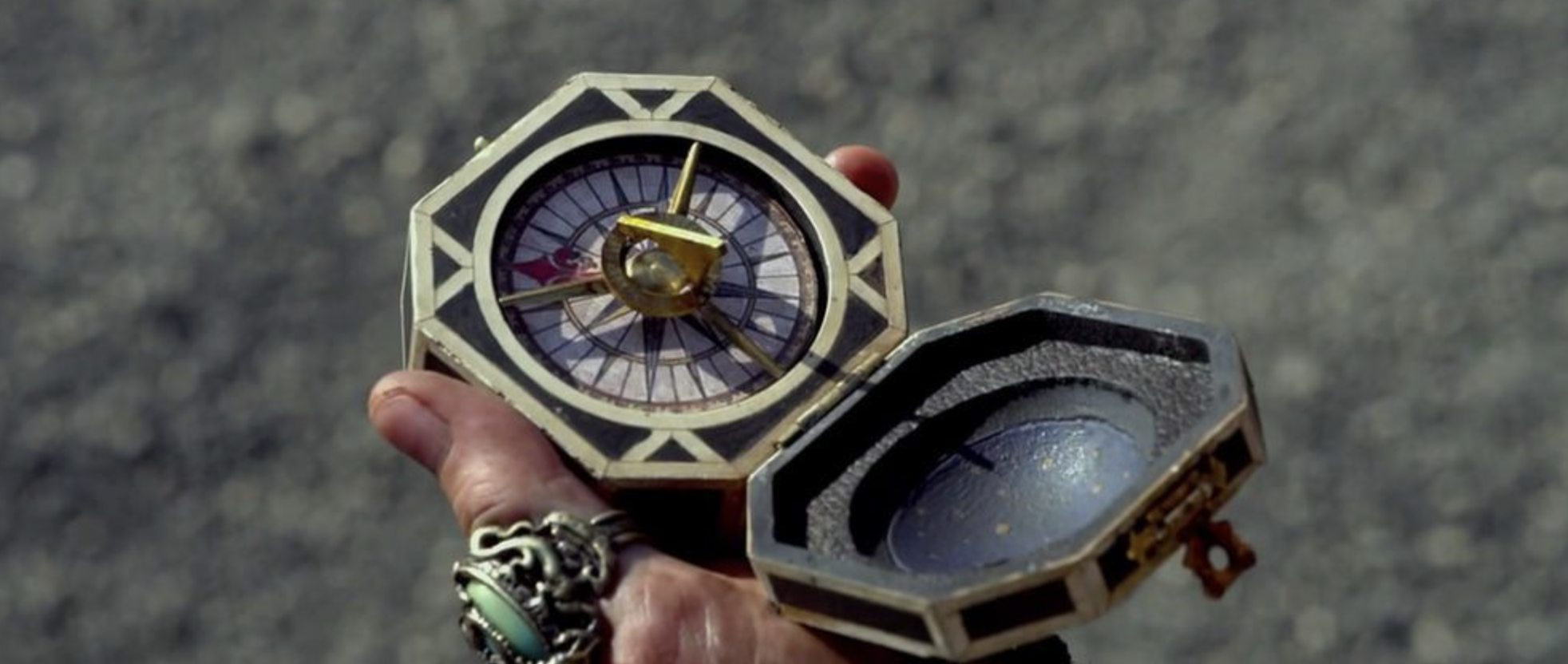
From the Disney movie series, “Pirates of the Caribbean” this is Captain Jack Sparrow’s compass, which always pointed to his Heart’s True Desire.
So where can we find this heartfelt connection that is going to pull us into this new, successful future?
The past.
Re-Membering:
For the vast majority of us, there are magical moments from childhood when we expressed our innocent, exuberant and authentic heart. These times may have been brief and may be hard to tap into now, but again for most of us, they are there. This innocence, exuberance and authenticity are exactly the forces that the longing heart wants to connect with. We must re-member these parts of ourselves and see where they can take us now moving forward.
“The opposite of addiction is connection”
- Recovery Saying
- What items do you possess that have the power to re-member you?
- That can re-connect you to a part of yourself that has been forgotten, lost or discarded?
- What are your symbols that can be turned into talismans?
- What are the items you still own, that you’ve held onto for some reason, that you feel hold this kind of power?
This is the power of re-membering - and here are examples of how to do exactly this.

Example #1
The Referee’s shirt & the Ball
Referees are a great example of separation and why it is necessary in the right circumstances. In any sport, the referee’s objective role is a distinctly separate one from a player’s very subjective role of participation. In order to have a fair contest, we need the referee to remain separate, impartial and unbiased. This is very important but the problem is that the referee can never win the game - you can only win if you’re participating - and this is the same in life.
Who wants to be a referee instead of a player in the game of life?
In this next example, participation is the win achieved through the actions of heartfelt, intentional engagement to connect.
Our client makes use of both a negative/painful and a positive/possibility talisman put together as one two-sided laminated picture. For the negative side, he applies the referee’s black and white striped shirt pattern to connect him to the past pain of not participating in the family. This took the form of making the excuse to work, whether true or not, so he could separate himself, isolate and go off to drink. From this place on the sidelines, it was easy for him to make judgements upon his partner, as well as justifying “having to work,” all of which just perpetuated his cycle of addiction. Empowered by these sober realizations, he created a talisman with one side showing the referee’s black and white striped shirt pattern - and on the other side is a picture of a baseball.
The baseball is our example of a talisman that pulls us into future heart-felt possibility. This particular baseball is one that our client got signed and handed to him by one of his idols at a spring training game when he was a boy. And even though it was a pristine, signed professional ball, he naturally felt the difference when using it in his own games versus keeping the ball on the shelf as “a trophy” - which was the message many others told him - both adults and childhood friends who said he shouldn’t “soil the ball” because it will lose value.
But which is more valuable?
Keeping the ball as a trophy on the shelf?
Or, throwing, hitting and catching the exact same ball his big league idol used?
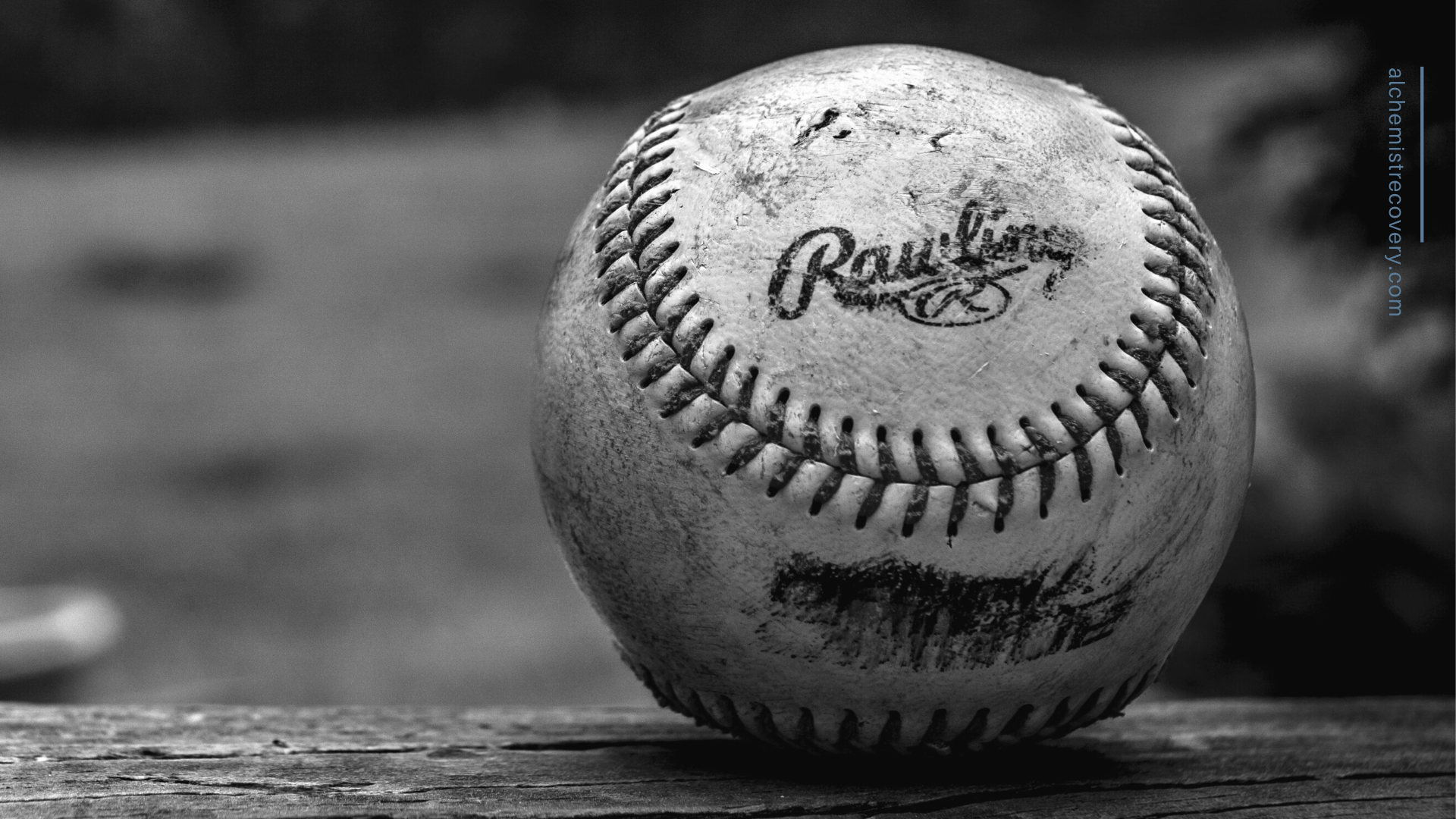
For my client, this talisman’s power was clear. It connected him with the next right thing to do in his recovery: participate - not sit on the shelf or judge from the sidelines.
He carries this two-sided laminated picture with him at work as a reminder of his priorities, but even more powerful of a talisman is the actual ball. He still has it, soiled, banged up and the signature smudged, but it now provides him him a concrete, practical tool to employ in his recovery - and one that doesn’t require a whole lot of thought but rather the simple, heart-felt choice to put down the job, pick up the ball and play a game of catch with his son in the backyard.
What comes out of these games of father-son catch?
Endless heart-full possibilities.
Example #2
Grandma’s Necklace
Back when I conducted groups at in-patient treatment centers, I would often say to the room, “I’ll bet there’s people in this circle that are still wearing, or specifically brought to treatment, a piece of jewelry - or some important small object - that was given to you by a family member.”
Inevitably, there was grandma’s necklace. And for this particular client, there was a familiar history carried within hers. This item jumped a generation, as it skipped ownership by the mother and landed directly from grandma to granddaughter, our client. This not only spoke to the disconnection that the mother had with both her daughter and her mother, the grandmother, but also the bond that was formed between grandma and our client. This was all made apparent through one of the wounds at the core of the granddaughter’s addiction: the all-too-common and unfortunate story of the mother choosing her new-boyfriend/step-father’s version of “the story of what happened” compared to the granddaughter’s tale of pain.
For our client, it was grandma who believed in her and did not buy into the mother’s spinning of the facts. Grandma knew the truth; she listened to the girl, saw the girl and validated the girl’s pain.
The value of this is tremendous. Being seen, heard and known, especially when those closest to you have gaslit you and forced you to live a lie, is Big Medicine.
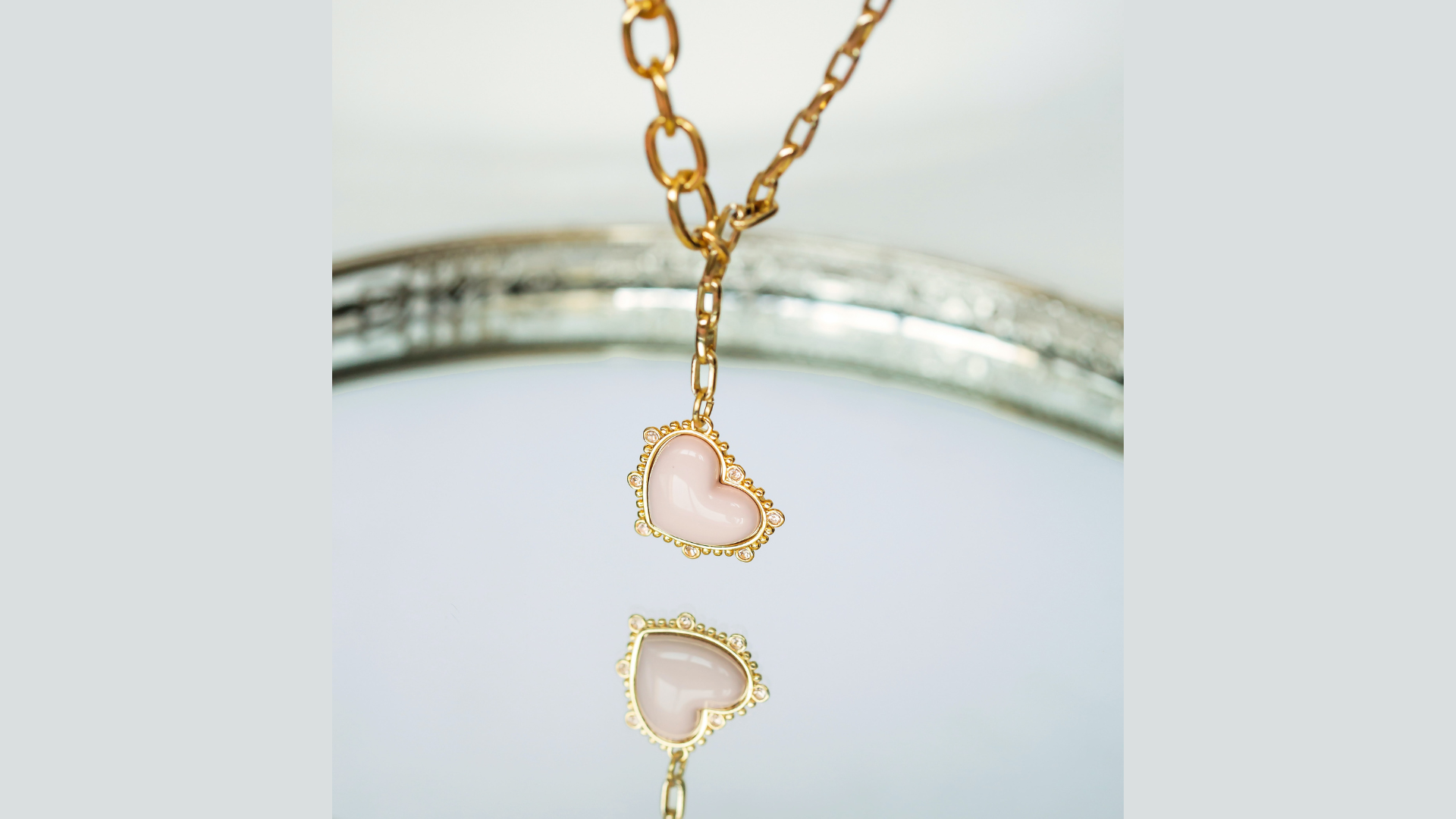
Photo by Ruan Richard Rodrigues on Unsplash
And that’s exactly what grandma’s necklace does for this client. It connects her with grandma and knowing that she is seen, heard and known to be the truthful person that she is. This also releases her from the secrets that are still kept and the lies that are still told within the living family, all of which perpetuate their own cycle of addiction.
Example #3:
The stuffed animal
This one will hit home for many of us, as it is pretty common to have had some version of a special friend in the form of a stuffed animal when we were little and full of possibility.
Why is the stuffed animal important as an adult?
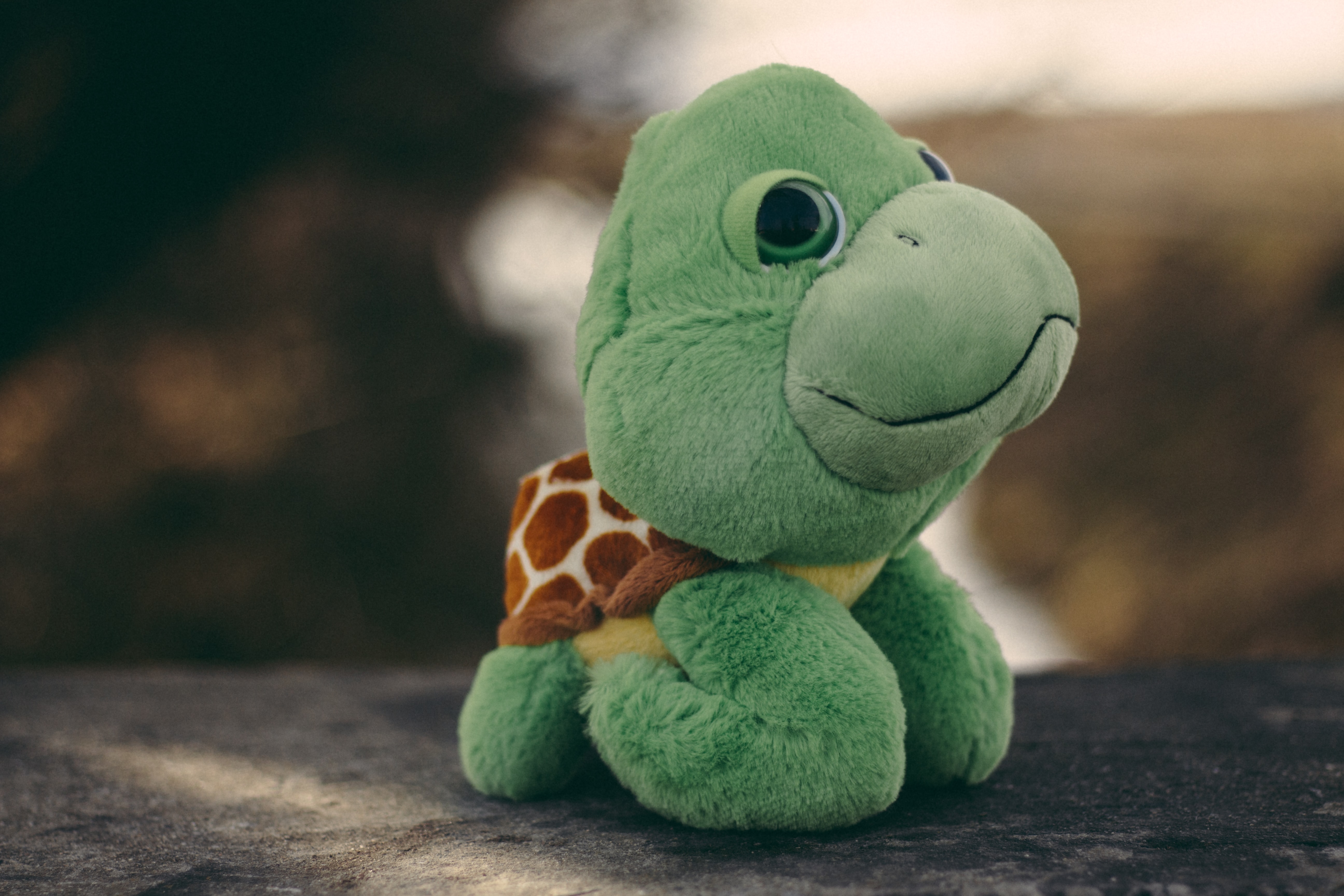
Photo by Anton Darius on Unsplash
It connects us to our:
- Lost innocence
- Forgotten aspects of self
- Atrophied abilities of imagination
- Saying, “Yes” to possibility
- Expression of authenticity
Important stuff in recovery. Important stuff in life.
Here are some other examples of talismans that can do the exact same thing for the exact same reasons:
- The present picked up on a family vacation as a child (Because there were good times before…XXX…even if I can’t clearly remember them.)
- A school report card from the X-grade before the sh*t hit the fan (I’m not stupid…I can do…I can achieve.)
- The Christmas tree ornament that was handed down through the family (I am connected to my family tree & I can pass down something good to my children.)
- The copy of the family Bible / Holy Book (There are parts of my childhood religion that aren’t all bad & I can re-connect with a Spirit to help me today.)
- A tool from your father’s workbench.( He did try to connect with me in the only manner he knew.)
- A utensil from your mother’s cooking kitchen. (She did try to nurture me in the only manner she knew.)
- The scrapbook of pics, etc…from the attic..(There were good times with my family….)
Blog Caboose:
Both symbols and talismans offer us important tools to use on the path of addiction recovery. Especially when we recognize that they are different and have distinctly different languages and medicines. As I spoke about in Part 1, I am glad that we have the incredible breath of work that psychology offers us with regard to symbols and how to use them, and I am also glad that I feel such a strong pull towards exploring the not-as-talked-about power of the talisman.
Symbols speak to the head
Talismans speak from the heart.
Symbols are markers on the path to meaning.
Talismans are power keeping us on the path.
Symbols are guides along the way.
Talismans are fuel that keep us going along the way.
Symbols make sense and point us in the right direction.
Talismans feel right and pull us in the right direction - even when it doesn’t make sense
Symbols tell us where to go.
Talismans help us get there.
Symbols tell us what to do.
Talismans help us do it.
Symbols help us understand why we’re doing it.
Talismans connect us to the heartfelt feelings that are why we’re doing it.
With Blessings,
Randal