An Atheist’s Higher Power, Shamanism & the Spirit of Doing the Next Right Thing
A good percentage of my private clients spend a lot of time in their heads. They tend to be intelligent, successful at what they do, and accustomed to getting sh*t done. But with addiction…it’s different.
To riff on that Einstein quote, we can’t think our way out of a problem with the same brand of thinking that created it.
One of my jobs is to help them change their thinking. And one way to do this is to introduce them to shamanic exercises, including Medicine Journeys and Shamanic wRites. These methods offer alternative perspectives when looking at a situation—perspectives that offer new possibilities for solutions and healing.
However, you might be thinking…
“Yeah, but I’m an atheist.”
So, what then? What happens when this whole shamanic approach runs straight into someone’s atheistic beliefs?
“Doesn’t shamanism require me to believe in spirits, God, or some kind of Higher Power?”
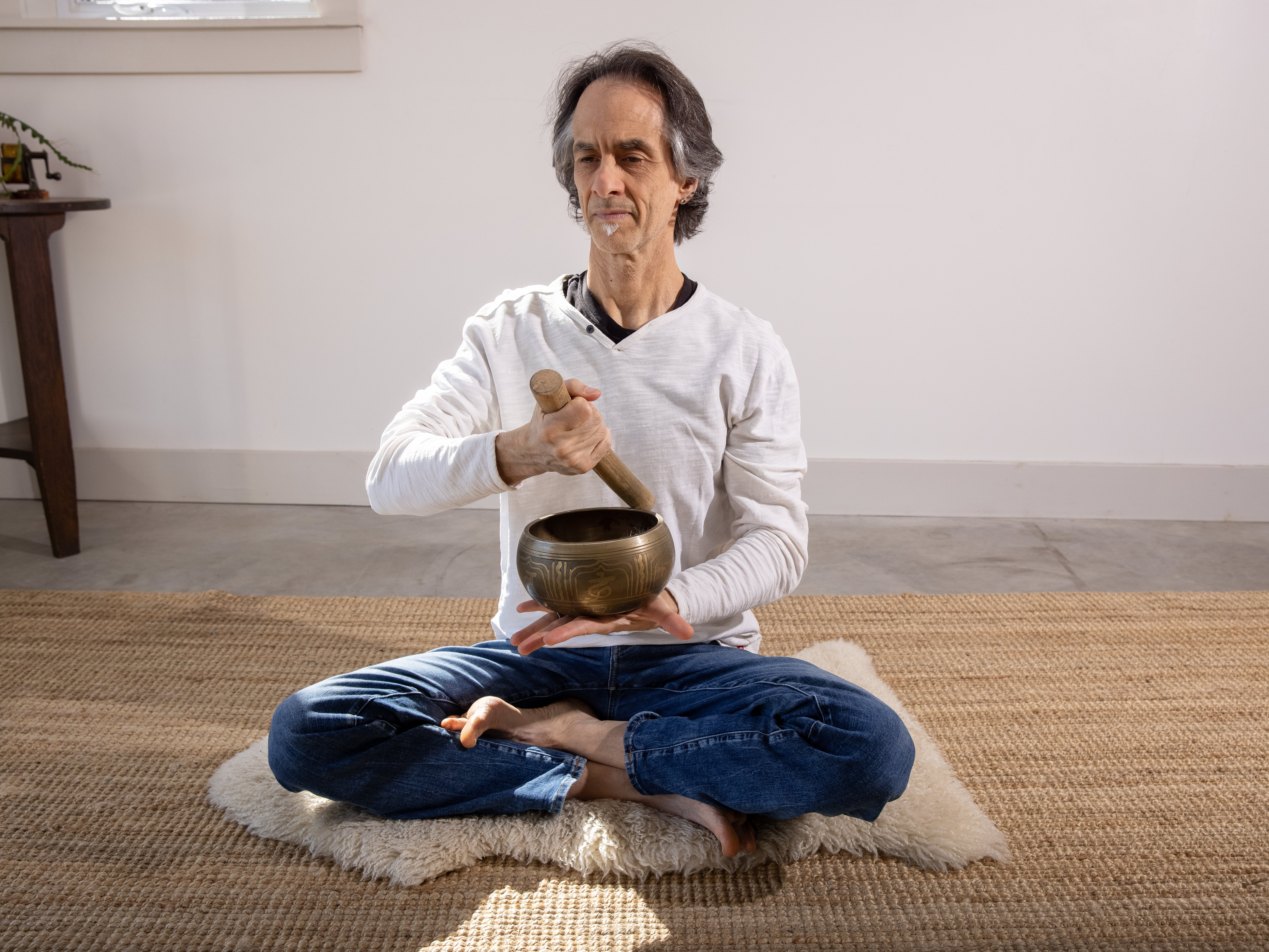
No, not necessarily. Sure, in shamanism we believe that sprits are real. We interact with them and establish, build, and maintain two-way relationships.
But, the exercises can also “just” be mental or imaginative.
This is important to someone who’s an atheist or agnostic in recovery because it:
- Grants them permission to be in relationship with something bigger than themselves without bringing in religion or particular brands of faith
- Allows them to call “It” whatever they wish
- Releases them from the rules of the religion and/or God from childhood
- Allows them to pick something—anything—that is new and better fits their current belief system
Why’s this important?
Look, a person in recovery needs all the external support they can get. Similar to reaching out to another person in a time of need, with this relationship, one turns to their spirit for guidance.
The act of opening, with clear intention, and sending specific requests outward initiates a flow—from us to them, from them to us. This holds regardless of our specific beliefs and regardless what we choose to call our outside source of support.
That flow is medicine. In fact, it’s the exact medicine that breaks through what we call “stagnation” in Chinese Medicine. It helps us get unstuck and move forward.
This is a big deal—especially given that many of us hit plateaus when sobriety requires us to relinquish old, outdated ways of thinking, believing, feeling, and acting. There’s usually hesitation in letting go of the familiar—even if our head is telling us it’s a good idea.
Someone with a strong religious or spiritual base can fall back on their faith and a phrase like, “Let go, let God.” From there, they can move forward and move in a new direction.
But for an agnostic or atheist…not so much. They are more likely to get stuck at this point—that’s where a shamanic perspective can be useful.
Another reason such “stuck-ness” can occur more readily for an atheist or agnostic is because they are left on their own to figure things out. Inherent in the perspective that there’s something “bigger than oneself” is the notion that “It” lies outside of oneself.
When there’s just one, there’s no flow. When we’ve got “me” and “Other,” we’ve got two. Now there’s relationship. Now there’s flow. Now there’s a structure for medicine.
Regardless of what the Other is called, this relationship holds the promise of help and support.
For example…
Whether we call It:
- God
- Spirits
- Nature
- Universe
- Higher Power
- The Muse
- My Grandmother the Ancestor, who is a helping and compassionate spirit
- An Archetype
- The Tao
…one can begin to imagine that there are forces “out there”—meaning, outside of oneself—that we can turn to in times of need.
For instance, a client I worked with a few years back categorizes himself as “somewhere between an atheist and an agnostic.”
He would go through phases when 12-Step meetings were a big part of his life, but had trouble when conversations turned to a specific, traditional Higher Power.
For him, that’s where things went off the rails. And, that’s where we went to work.
He returned from a guided shamanic journey—which for him was all about “imagination”—with a eureka moment.
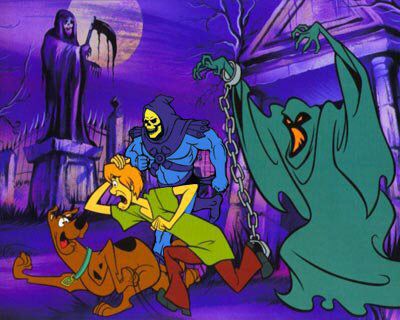
“Randy, I got it. I don’t care if you call it a spirit, or an arm of the compassionate Universe reaching down, or a character from a Scooby Doo cartoon. I got what works for me.”
Yes, okay…and it is?
“The Spirit of Doing the Next Right Thing. Boom. That’s all there is to it.”
He explained that this works for him because:
- Mentally, he knows the right choice.
- Emotionally, this feels true in his gut.
- Physically, he knows the right course of action.
When he takes a breath and views his situation while connected with and listening to the “Spirit of Doing the Next Right Thing,” there is only one right choice before him. Even if it’s all “in his imagination,” it’s as simple as that.
As we continued working together, he actually enjoyed picturing his Spirit of Doing the Next Right Thing as a Scooby Doo character. Hey, whatever works!
This also reinforced how the decision-making process in recovery can be simple—especially compared to his work as a successful stock trader.
The fact that his spirit appears as a Scooby Doo cartoon hammers this home—reminding him that even a child could figure this out. Plus, he gets a good laugh moving through daily obstacles.
This work isn’t easy, but the Spirit of Doing the Next Right Thing offers a foundation. It solidifies the mental pictures and processes of his approach to “something bigger than himself” and provides a common language and vocabulary.
From here, we leveraged myriad ways shamanism could work for him in his sobriety—even as an atheist/agnostic.
Your turn.
What works for you and your recovery when it comes to seeking outside support and naming something bigger than yourself? A Scooby Doo character…or something different?
Please share in the comments, and feel free to email me at Randy@AlchemistRecovery.com.
And if you’d like to go on a guided Medicine Journey or do a Medicine wRites exercise, you’ll find them in the The Sober Shaman’s Path of Recovery Free Preview here. See you inside.
With All Good Medicine,
Randal
Copywriting and editing by my wife and partner, Dr. , who shares raw, unfiltered writing about sobriety and soulful living at .